
No time to read the full article? Here are my favourite picks..
- Ammos Sifnos Village – Our beachfront apartment wasn’t fancy, but it had everything we needed. Sophia, our host, made the stay exceptional with her warm hospitality and welcome gift box. Moreover, stepping straight onto Platys Gialos beach each morning was absolutely perfect.
- Visiting Kastro and the Church of the Seven Martyrs – Wandering Kastro’s medieval alleyways felt like stepping back in time. The Church of the Seven Martyrs, perched on a sea rock, required a steep climb down stone stairs. Nevertheless, the breathtaking views made every step worthwhile.
- Hiking the Cliff Tops Between Platys Gialos and Faros – This coastal trail delivered stunning Aegean views around every bend. The well-marked path took about an hour at a leisurely pace. Furthermore, we discovered tiny chapels and secluded coves perfect for swimming along the way.
Discovering Sifnos Island: A Hidden Hideaway in the Greek Islands
Our ferry cut through the Aegean Sea as we approached our fourth island.
After exploring Mykonos, Santorini, and Milos during our six-week Greece island vacation, we were ready for something different.

Sifnos appeared on the horizon, whitewashed villages cascading down hillsides, promising the authentic experience we craved.
Why Sifnos Became Our Favorite Stop
Island hopping through the Cyclades had been exhilarating, yet exhausting.
Meanwhile, we yearned for a place where we could slow down and breathe.
That’s exactly what this charming island offered: a chance to experience real Greek life without the overwhelming crowds.

Furthermore, we’d heard whispers about the exceptional food scene here.
As food lovers who appreciate slow cooked meals and traditional recipes, the promise of authentic cuisine was impossible to resist.
Additionally, the pottery tradition and walking trails sealed our decision to spend five precious days exploring this lesser known paradises.
Where is Sifnos Island and How to Get There
Nestled among the 220 islands in the Cyclades, this beautiful destination sits between Milos and Paros.
Consequently, it felt like discovering a secret that most tourists overlooked.
The island doesn’t have an airport, which honestly helps maintain its relaxed character.
We caught our ferry from Milos, and the journey took about an hour.

However, you can also reach it from Athens’ Piraeus port in approximately 2.5 to 5.5 hours, depending on the ferry type.
Therefore, planning your ferry schedule ahead becomes essential, especially during summer when boats fill quickly.
The ferry docked at Kamares, the main port town. Immediately, we noticed the difference, no massive cruise ship crowds, just a peaceful harbor lined with tavernas and local shops.
Finding the Perfect Place to Stay
Our Home Base in Platys Gialos
After researching we using vacation apartment rental options as a guide, we chose Platys Gialos for our base.
This beach village offered everything we needed for our relaxed Greece island vacation.
The sandy beach stretched before us, crystal clear water inviting us for morning swims.
Our apartment sat just steps from the shore. Mornings began with coffee on our balcony, watching fishing boats bob gently in the bay.
Moreover, several excellent tavernas were within walking distance on the beach, making dinner decisions delightfully difficult each evening.

Other Charming Villages Worth Exploring
Vathi
Captivated us with its pottery workshops and serene beach.
Subsequently, we spent an entire afternoon there, watching artisans shape clay using centuries-old techniques.

The beach curved into a protected bay, perfect for swimming without waves.
Kamares, Sifnos, Greece
The port town, surprised us with its vibrant energy.
Nevertheless, it maintained that authentic Greek island atmosphere we loved.
Beach umbrellas dotted the clean sandy shore, and waterfront restaurants served fresh seafood caught that morning.

Cheronissos Beach
Nestled on the northern tip of Sifnos.
Consequently, we discovered this quieter spot during one of our walks.
The peaceful beach there became our secret escape when we wanted complete tranquility.

Apollonia
The main town in the center, buzzed with local life.
Instead of tourist shops, we found bakeries where locals bought their bread and squares where elderly men played backgammon.
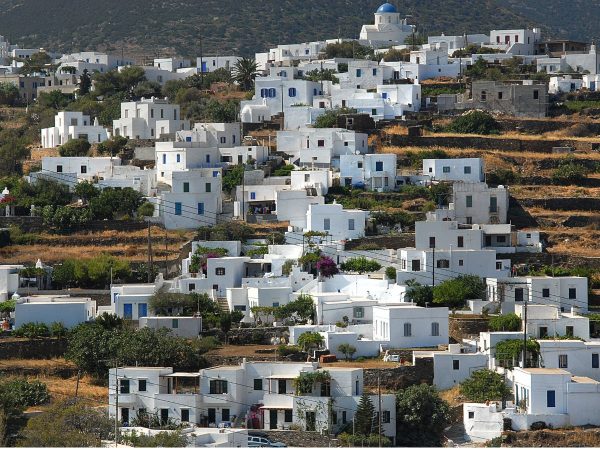
The narrow marble paved streets wound between traditional houses, each turn revealing another photogenic corner.
Faros
Offered a different beach experience altogether.
Two bays provided options depending on wind direction, and the small fishing harbor added authentic charm.
Meanwhile, tavernas served some of the best seafood we tasted anywhere.

Faros would have been our second choice for accommodation, layback and relaxing but still enough to to keep you busy.
Kastro
The medieval village, transported us back in time.
Ancient stone houses pressed together, forming protective walls against pirate raids.
Furthermore, the Church of the Seven Martyrs perched dramatically on a rock outcrop, waves crashing below.
Even though the village is every cute, we felt it was a little quite and not much in the way of restaurants or entertainment.

Recommendations on where to Stay here:
- Ammos Sifnos Village – I can highly recommend. The apartment is in a great location on the beach. It wasn’t super flash but Sophia, who runs the place, is amazing. Has everything you need, including a gift box of goodies when you arrive. 10/10.
- Faros Residences– Love Faro Village and this upmarket beachfront location. Perfect for a relaxing stay with added features like a balcony and washing machine to make life easier.
- Sunlight – Beautiful place and just the right size. Great beach in Kamares and many bars and restaurants looking over the bay. Great break in a beautiful place.
Getting Around the Island
Public buses became our lifeline for exploring.
The network connected Kamares port to Apollonia, then branched out to different villages.
Surprisingly, the system worked incredibly well for our slow travel style.
Tickets cost between 2 and 2.5 euros, purchased directly from the driver.

Additionally, drivers were friendly and patient, even when our Greek consisted mainly of “efcharisto” and pointing.
Check www.sifnos.gr for current schedules and routes.
However, some places like the Kastro church ran infrequently. Therefore, we walked a lot, which actually became one of our favorite activities.

The well-marked trails connected villages beautifully, offering stunning coastal views and glimpses into local life.
One important tip: if you’re catching a bus back to Kamares for a ferry departure, leave plenty of extra time.
Consequently, we learned to arrive at the port well ahead of schedule, using the extra time to enjoy one last coffee by the harbor.
There are only a few taxi’s on the island but you can hire a car if you want to.

Planning – Proven Greek Travel Tips to Save Your Sanity
- Map it Out: Use a calendar and don’t count travel days as days in a loclation. Trust me, you’ll need those recovery Ouzo’s at the end of the day.
- Respect the Siesta: From 1:00–4:30, things will close.
- Closed Sundays: some smaller shops and bakeries, but in high tourist season, you can usually find something open.
- Google Translate: Lifesaver. Also: learn “yassou – hello or goodbye”, “Kalimera – Good Morning” and ” Efcharisto – thank you”
- eSIM Cards: Grab one from Airalo for easy data.
- Talk to Locals: They know all the best spots that aren’t on the ‘Gram.
- Do yourself a favour and Download our Build Your Trip Planner, It will make planning easier and more fun.

What to Do on This Beautiful Island
Pottery Shopping and Workshops
The pottery tradition here stretches back centuries.
Moreover, watching craftsmen work their magic felt mesmerizing.

We visited several workshops in Vathi and Kamares, where artisans welcomed us to observe their process.
I love handmade pottery, so I kept dragging Bren into all the workshops.
Controlling my shopping was easy because whatever I bought, I had to carry and get it back to Australia in one piece.
We settled on 2 gorgeous coffee cups, which we still start our day with and dream of Greece.

I also couldn’t go past a cute outdoor light feature.
You will see them everywhere on the island and I fell in love.
The triangle cutout represents the dove holes you see in all the old houses on the island.
Great Memories.

Beach Life and Coastal Walks
Beach hopping became our daily routine.
Each cove offered different character and charm.
Nevertheless, we always returned to Platys Gialos, our home beach, for evening swims.

The walk from Platys Gialos around the coast provided spectacular views.
Furthermore, we discovered tiny chapels and hidden beaches accessible only on foot.

Check Sifnos Trails for detailed routes and information about the extensive walking network.
During our visit, summer heatwave conditions made afternoon beach time essential.
Therefore, we adjusted our schedule to explore villages early morning and late afternoon, spending midday hours swimming and resting

The Monastery of Chrissopigi
Sophia, our gorgeous host, became more than just someone who handed us keys.
One morning, she insisted on driving us to the Monastery of Chrissopigi, perched dramatically on its own little peninsula.
Consequently, what could have been a simple visit became one of our most memorable experiences.

As we crossed the narrow bridge to reach the monastery, Sophia shared the local legend.
According to tradition, a group of nuns lived here during the Medieval ages. When pirates invaded the island, the nuns fled into hiding for safety.
However, one nun didn’t manage to leave in time.
The pirates chased her toward the cliff’s edge, and with nowhere left to run, she prayed desperately to the Virgin Mary for salvation.

Miraculously, at that very moment, the rock split in two.
The pirates plunged into the sea below while the nun remained safe.
This dramatic event, locals believe, explains why the monastery sits separated from the main island by a narrow stretch of water.
Furthermore, the story has made this a particularly lucky and sacred place.

Today, it’s a favorite spot for Greek weddings.
Couples from across the islands come here to exchange vows, believing the blessing of the Virgin Mary brings good fortune to their marriage.

Kastro
We caught the local bus from Apollonia to Kastro.
Super easy and fun, especially when we got chatting with other travelers making their way around the island.
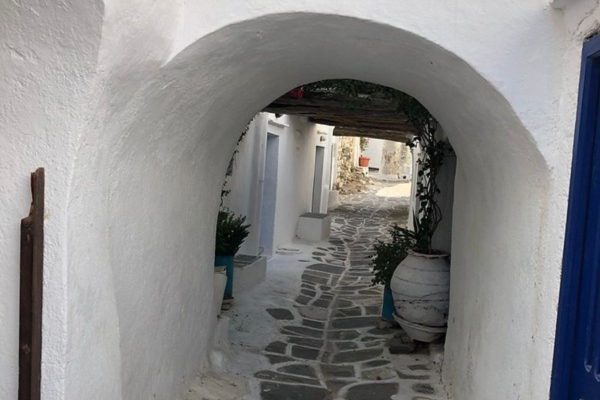
The bus dropped us at the village entrance, leaving us to navigate our way up through a maze of winding alleyways.

This is what I love about these old villages, just wandering and getting wonderfully lost.
After enjoying coffee and a piece of baklava at a tiny café, we rounded a corner and gasped.
There it was: the Church of the Seven Martyrs.

The classic whitewashed chapel with its blue dome would be beautiful anywhere.
However, perched dramatically on a rock jutting into the ocean, it became absolutely magical.
Moreover, getting there required commitment, a good trek down steep stone stairs and back up again.
Feeling fit? I hope so, because those stairs test your legs.

Nevertheless, the view from the rock made every step worthwhile.
Waves crashed below as we stood beside the little chapel, sea spray catching the sunlight.
The church’s name carries a fascinating legend dating back to AD 250.
Seven young Christian soldiers from Ephesus faced persecution under Emperor Decius for refusing to sacrifice to pagan gods.

Consequently, they fled to a cave on Mount Ochlon seeking refuge.
When discovered, Decius ordered the cave entrance sealed.
According to legend, the seven youths fell into a miraculous sleep, awakening 184 years later during a different era.
Their story became one of Christianity’s most beloved tales of faith and divine protection.
After exploring the church, we continued walking around Kastro’s perimeter walls.
The medieval village’s defensive design became clear, houses built tightly together replicate castle walls.
Furthermore, arched gateways called “loggias” serve as the main entrances, once easily defended against pirate raids.

The architecture told stories of centuries past when islanders lived in constant fear of attacks.
Stone pathways wound between ancient homes, some abandoned, others still inhabited by families who’d lived there for generations.
Additionally, small chapels appeared in unexpected corners, their doors often unlocked and welcoming.
We couldn’t be bothered waiting for the bus back to Apollonia, so we decided to walk instead.
That decision nearly killed me!

All those steps, shortcuts cutting across hillsides, the afternoon heat beating down relentlessly.
However, there’s something about arriving somewhere under your own power that creates a sense of achievement.
By the time we reached Platys Gialos, we were sweaty, exhausted, and absolutely ready for that beach.
Therefore, dropping our things and diving straight into the cool, clear water felt like the best reward imaginable.

Sometimes the hardest journeys create the sweetest memories.
The panoramic view from the top is breathtaking, you’ll see the entire Old Town from a bird’s eye perspective, Lokrum Island, and the coastal landscape stretching in both directions.
If you’ve booked ahead (highly recommended in peak season), have lunch or late afternoon drinks at Panorama Restaurant. The food is good, but you’re really here for that view.

Even if you don’t eat, the observation deck gives you plenty of space to soak in the scenery.
There’s also a small museum dedicated to the 1990s Homeland War at the top, if you’re interested in understanding more recent Croatian history.
The Food Scene: A Culinary Paradise
Every meal felt like a celebration of traditional cooking.
Revithada, chickpeas slow cooked overnight in clay pots, became our obsession.
Additionally, mastelo, lamb cooked with wine and dill in clay pots, showcased the island’s culinary heritage.

Being on the beach we also ate a lot of freshly caught seafood.
Chef Nikolaos Tselementes, pioneer of modern Greek cooking, hailed from here.
Consequently, the food culture runs deep, with locals taking immense pride in their gastronomic traditions.
Fresh local cheeses, homemade pastries, and perfectly prepared seafood elevated every meal.

We learned to embrace the slow pace of dining.
Meals lasted hours, wine flowed freely, and conversations with neighboring diners happened naturally.
This approach to eating embodied everything we loved about slow travel in Europe.

Practical Tips for Your Visit
Transportation Options
While buses worked well for us, renting a scooter offers more freedom.
However, roads wind dramatically, and summer heat can make scooter riding challenging.
Alternatively, some visitors rent cars, which provides air conditioning and storage for beach gear.

Walking remains ideal for short distances and exploring villages.
Moreover, the exercise balanced all those delicious meals perfectly.
The terrain varies from flat coastal paths to steep village streets, so comfortable shoes are essential.
Money Matters
Carry some cash (for buses), cards are excepted nearly everywhere .
ATMs are available in Apollonia and Kamares.
Small tavernas, shops and public transport often prefer cash, especially for smaller purchases.

Best Time to Visit
Visit any time, you can’t go wrong.
We visited during September, which meant warm weather perfect for beach days.
However, spring and fall offer milder temperatures ideal for hiking.
Additionally, fewer tourists mean more authentic interactions with locals during shoulder seasons.

What to Pack
Pack light, breathable clothing for summer heat.
Furthermore, bring thongs for sandy beach areas and comfortable walking shoes for trails.
Don’t forget sunscreen, hats, and a refillable water bottle, staying hydrated becomes crucial during warm months.
Photography Tips
The golden hour becomes your best friend on this photogenic island.
Consequently, wake early to catch sunrise light painting the whitewashed villages in soft pink and gold hues.

Don’t miss the Church of the Seven Martyrs at sunset when the rock glows dramatically against the darkening sea.
The winding marble pathways in Apollonia create stunning leading lines, while Kastro’s medieval architecture offers endless compositional opportunities.
Additionally, bring a polarizing filter to cut reflections and deepen that incredible Aegean blue.

Moreover, locals are generally friendly about photos, but always ask permission before photographing people.
Pack extra batteries and memory cards, you’ll shoot far more than expected when every corner reveals another postcard worthy scene.
Why Sifnos Island Captured Our Hearts
Unlike party destinations, this island offers something more valuable, authenticity.
Consequently, we experienced real Greek island life, not a tourist oriented version.
Families welcomed us into their tavernas, sharing stories and traditions.

The relaxed atmosphere allowed us to truly unwind.
Moreover, after busy weeks exploring more famous islands, this peaceful interlude recharged our spirits.
We could simply be, without feeling pressured to see everything or rush to the next attraction.
Therefore, we’re already planning our return visit.

This time, we’ll stay longer, perhaps rent a place for two weeks, and dive even deeper into local life.
Island Hopping Around the Cyclades: Practical Tips for Santorini, Milos, Sifnos & Mykonos
Island hopping around the Cyclades is one of the most fun ways to experience Greece, and with a little planning, moving between Santorini, Milos, Sifnos, Mykonos and any other islands is refreshingly straightforward.
We booked all our ferry connections through the Ferryhopper, comparing schedules, vessel types, and prices across operators in one place, with everything confirmed before we even left home.
Staying connected mattered just as much as the ferries. We used Airalo eSIM that we purchase and installed before arriving in Greece, so we had data the moment we landed, handy for checking schedules and maps on the move.
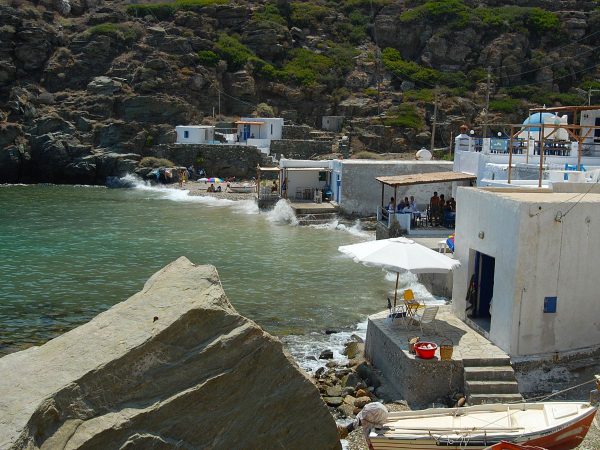
One thing we hadn’t fully planned for was the heat.
We travelled during a European heatwave, and the white stone villages of the Cyclades feel intense by midday.
We adjusted fast: early morning transfers, resting through the hottest hours, extra water, and shaded lunches.
If you’re island hopping in peak summer, building in this flexibility makes the difference between an enjoyable trip and an exhausting one.
Comparing to Other Destinations
After visiting nearby destinations including those we’d explored in mainland Greece, this island stood out for its genuine character.
Mykonos dazzled with glamour, Santorini impressed with dramatic views, Milos wow with great experiences, but this place touched our hearts with authenticity.
The lack of massive cruise ships meant restaurants catered to locals and respectful visitors rather than masses.

Furthermore, shopkeepers had time for conversations, and beaches never felt overcrowded.
This created the relaxed atmosphere we’d been seeking throughout our travels.
Final Thoughts on Our Island Experience
Those five days on this Cycladic wonderland reminded us why we love island hopping.
Each destination offers unique character and charm.
However, sometimes the lesser known places provide the most meaningful memories.

We left with bag full of pottery, hearts full of wonderful meals, and phones full of photos that barely captured the magic.
Moreover, we left as friends with local families who insisted we return soon.
That warm welcome epitomizes authentic Greek hospitality.
For travelers seeking genuine experiences over Instagram moments, this island delivers perfectly.

Consequently, if your Greece island vacation prioritizes relaxation, excellent food, and cultural immersion over nightlife and crowds, add this destination to your itinerary.
You won’t regret discovering this Cycladic treasure.
The ferry pulled away from Kamares harbor as we began our journey back to Athens.

Already, we missed the gentle rhythm of island life, the warm hospitality, and those incredible sunsets.
Nevertheless, we carried those memories forward, knowing we’d experienced something truly special on this beautiful Greek island.
Pick up some treats to take home, Croatian truffles, local olive oil, or lavender products make excellent gifts or mementos.
Spend the rest of the morning revisiting your favorite spots or exploring areas you haven’t seen yet. Maybe those alleys you missed on day one, or a church that was closed earlier in your trip.
Pin this itinerary for later and start dreaming of Croatian sunsets, walks on the old wall, and those impossibly charming cobblestone streets!


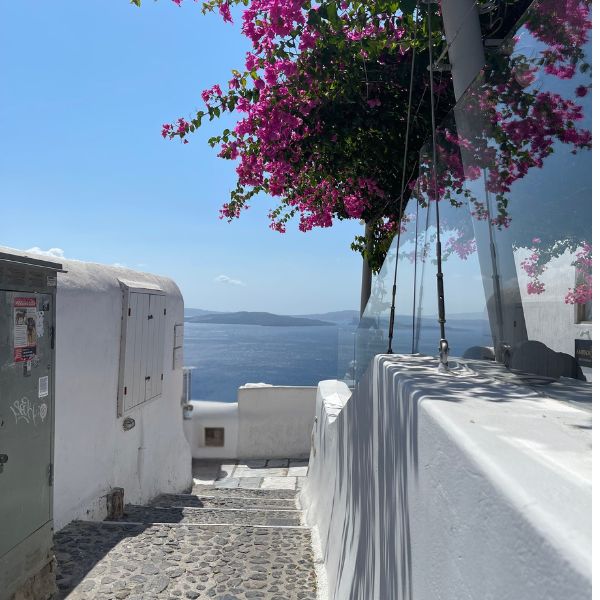
Authentic Villages in Santorini (Without the Crowds)
Authentic Villages in Santorini (Without the Crowds)Santorini has authentic villages that offer a quieter side…
Ljubljana, Slovenia: 14 Fun Things To Do And See
Ljubljana, Slovenia: 14 Fun Things To Do And SeeLjubljana, Slovenia at its best. 14 fun…

Aperitivo Roma
Aperitivo RomaAperitivo Roma done right, find the best Trastevere bars, what to drink, what it…

Sicily Travel (How to Plan 1 – 3 Months Stay)
Sicily Travel (How to Plan 1 – 3 Months Stay)Sicily travel planning guide for 1–3…

Milos Island Greece
Milos Island, GreeceMilos Island, Greece: 70+ stunning beaches, volcanic landscapes & authentic villages make this…

Sifnos Island Greece
Sifnos Island GreeceSifnos Island Greece offers authentic charm, exceptional cuisine, and relaxed beaches. Discover why…