
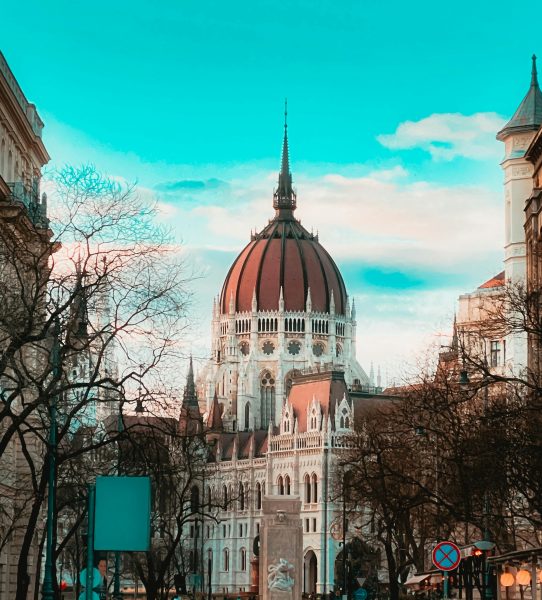
Introduction to Hungary
Hungary, a land of captivating contrasts, blends historical grandeur with vibrant modern life. From the thermal baths of Budapest to the serene shores of Lake Balaton, this Central European gem offers a rich tapestry of experiences. Whether you’re drawn to architectural marvels, culinary delights, or the tranquility of its natural landscapes, Hungary promises an unforgettable journey.
Exploring Urban Wonders and Historical Sites
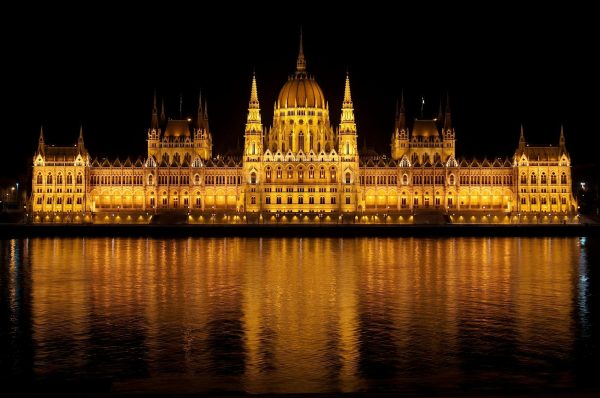
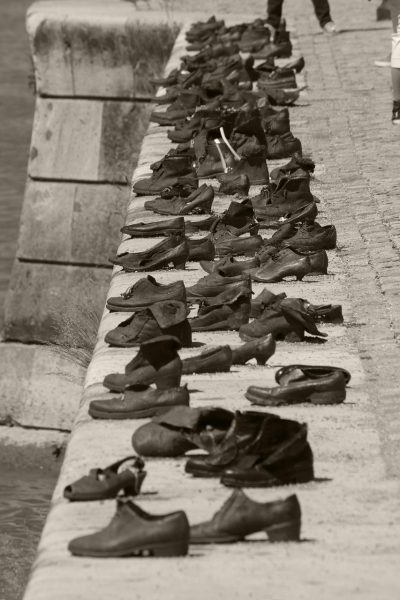
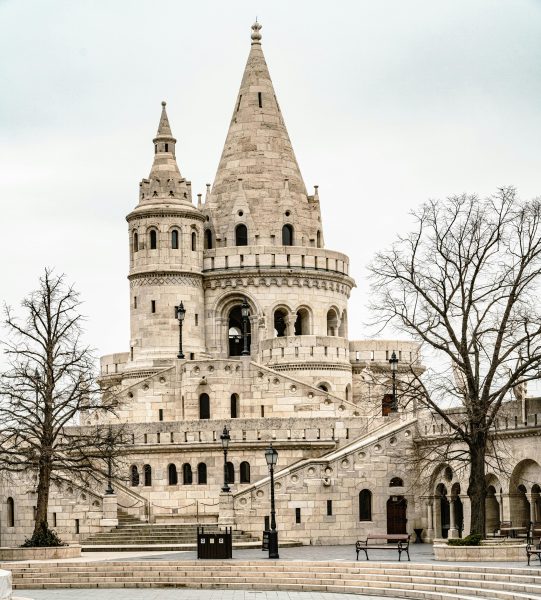
Budapest, often hailed as one of Europe’s most beautiful cities, is a must-visit. The Hungarian Parliament Building, Fisherman’s Bastion, and St. Stephen’s Basilica are architectural masterpieces that showcase the city’s splendor. The moving Shoes on the Danube Bank memorial and the historic Buda Castle are poignant reminders of Hungary’s past. Beyond the capital, Eger’s wine region and the charming town of Tihany on Lake Balaton offer picturesque escapes. Hollókő, a traditional village, provides a glimpse into Hungary’s folklore and rural life.
Unveiling Hidden Treasures and Unique Experiences
Hungary’s allure extends beyond its well known landmarks. Lake Balaton, often called the “Hungarian Sea,” is Central Europe’s largest lake, perfect for sailing and relaxation. Did you know Hungary has the world’s second largest thermal cave system found under Budapest? Or that it is home to the mummified hand of its first king, St. Stephen, displayed at the Basilica? Hungary’s rich history and cultural heritage are filled with intriguing secrets.
Delving into Culture and Cuisine
Hungarian culture is distinctive, with a language unlike any other in the world. The country’s culinary scene is equally remarkable, from hearty goulash to sweet chimney cakes. The wine region of Tokaj, the world’s oldest demarcated wine region, produces exceptional wines. Beyond Budapest, cities like Szeged offer unique cultural experiences, and the Sopron wine district is ideal for wine enthusiasts. Hungary is also a land of inventors and filmmakers, with many Hungarians contributing to the world stage.
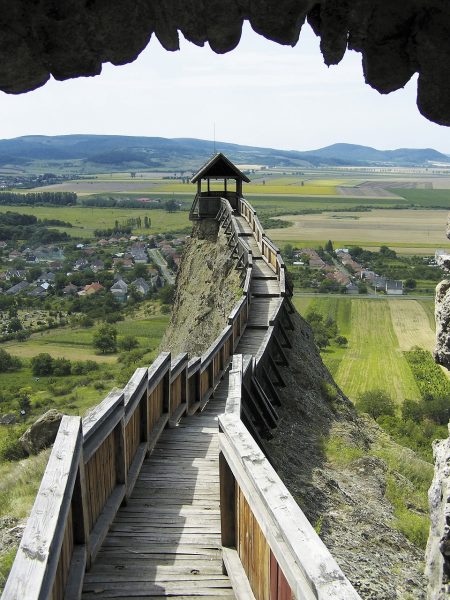
Adventures Beyond the Capital
Beyond Budapest, Hungary offers diverse activities. Hiking in the scenic landscapes, cycling tours, and exploring the Danube by boat are popular choices. Szentendre, a colorful town near Budapest, offers a charming day trip with its museums and vibrant main square. The Rudas Baths in Budapest, with its rooftop pool, provide a unique thermal experience. Gellért Hill and the Citadella offer breathtaking panoramic views of the city, especially at sunset.
The Prettiest Places
While Budapest’s blend of Gothic architecture and Danube views is undeniably stunning, many consider Lake Balaton and its surrounding areas, particularly Tihany, to be the most beautiful. The lake’s vast expanse, coupled with the charming villages and natural scenery, creates a serene and picturesque environment.
Hungary’s blend of history, culture, and natural beauty makes it a compelling destination. Whether you’re exploring its urban landscapes or venturing into its rural regions, Hungary offers a wealth of experiences that will leave a lasting impression.
Geography of Hungary
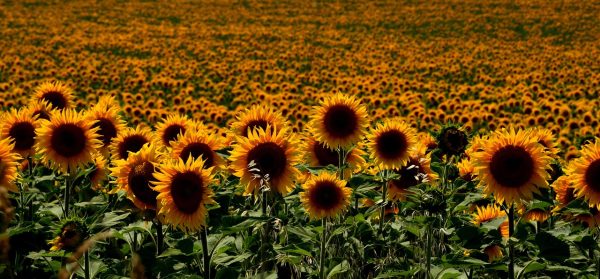
Hungary may be tucked away in the heart of Central Europe, but its landscape is anything but dull. This landlocked country is famous for its sweeping lowlands, gentle hills, mighty rivers, and iconic lakes. Nestled in the Carpathian Basin, Hungary shares borders with Austria, Slovakia, Ukraine, Romania, Serbia, Croatia, and Slovenia. Its position makes it a crossroads of nature and culture, with geography that has shaped both its history and daily life.
The Lay of the Land
Most of Hungary is made up of the Great Hungarian Plain (Nagy Alföld), a vast stretch of flat, fertile land perfect for farming. To the northwest, there’s the Little Hungarian Plain, while the rolling hills of Transdanubia break up the flatness in the southwest. In the northeast, you’ll find the Northern Mountains, home to Hungary’s highest peak, Mount Kékes, which rises to just over 1,000 meters. Two of Europe’s most important rivers, the Danube and the Tisza, carve through the landscape, splitting the country into three distinct regions: Transdanubia (west of the Danube), the Danube-Tisza plain, and the Trans-Tisza region (east of the Tisza).
Nature, Lakes, and Wildlife
Hungary is also home to Lake Balaton, Central Europe’s largest lake, often called the “Hungarian Sea.” Its shallow waters warm quickly, making it a favorite summer destination. Nature lovers will be spoiled with Hungary’s ten national parks, ranging from the wetlands of Hortobágy to the dramatic caves of Aggtelek. While forests now cover just a fifth of the land, Hungary is rich in biodiversity, think wild boars, deer, otters, and over 400 bird species, many drawn to its lakes, rivers, and marshlands.
A Natural Treasure
Hungary’s varied geography offers so much more than meets the eye. From wide-open plains and gentle hills to riverside towns and shimmering lakes, there’s a little bit of everything packed into this compact, beautiful country.
Best Times to Visit Hungary
Hungary is a gem for travelers year-round, with each season offering something special. Whether you’re after festivals, thermal baths, or colorful landscapes, there’s always a reason to explore this charming Central European destination. Here’s a breakdown of what to expect and what to do in every season.
Summer
Summer (June to August) is Hungary’s liveliest season. The weather is warm and sunny, perfect for sightseeing in Budapest or cruising the Danube River. Head to Lake Balaton, known as the “Hungarian Sea,” for swimming, sailing, or relaxing on the beaches. Summer is also festival season, with events like Sziget Festival drawing music lovers from around the world. Outdoor cafes are bustling, and Budapest’s famous ruin bars are packed late into the night.
Autumn
Autumn (September to November) is a favorite for many travelers. The weather is mild, and the fall foliage transforms Hungary’s parks and vineyards into a golden wonderland. It’s harvest season, so it’s the perfect time to visit wine regions like Eger or Villány for tastings and local food festivals. Budapest’s thermal baths are especially inviting as the air cools. Stroll through the Buda Hills or Margaret Island for crisp, colorful walks among falling leaves.
Winter
Winter (December to February) in Hungary is magical, especially in Budapest where Christmas markets light up the city. Sip mulled wine, try chimney cakes (kürtőskalács), and browse handmade crafts. Ice skating in City Park by Vajdahunyad Castle is a classic winter activity. The cold weather makes the city’s many thermal baths, like Széchenyi or Gellért, extra appealing. If you venture outside Budapest, you’ll find cozy towns dusted with snow and welcoming local traditions.
Spring Spring (March to May) breathes new life into Hungary. Flowers bloom in city parks and along the Danube, while temperatures gradually warm up. This is a great time for exploring without the summer crowds. Visit Budapest’s gardens, like the Japanese Garden on Margaret Island, or hike the Pilis Mountains. Festivals like the Budapest Spring Festival bring music, art, and theater to life. Markets brim with fresh produce, and outdoor terraces reopen for long, sunny lunches.
No matter the season, Hungary offers a memorable experience with its rich culture, historic cities, and warm hospitality.
The People and Culture of Hungary
Hungary is a country rich in history and vibrant cultural traditions. From its unique language to its legendary hospitality and flavorful cuisine, Hungary offers a distinctive blend of East and West. Shaped by centuries of occupation and resilience, Hungarians take great pride in their customs, folklore, and close-knit communities.
Cuisine and Folk Traditions
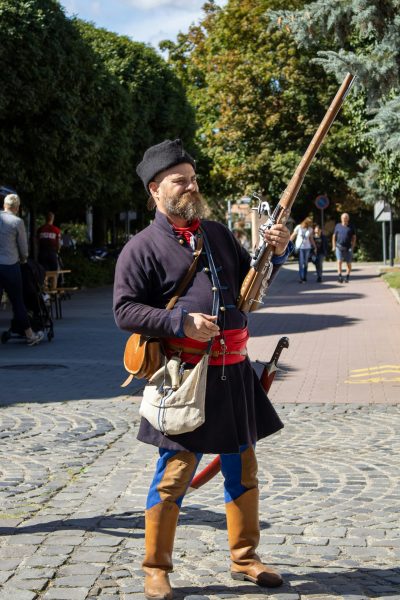
Hungarian culture is steeped in tradition, and its cuisine is no exception. Dishes like goulash, halászlé (fish soup), and pörkölt (beef stew) are flavored with generous amounts of paprika, Hungary’s signature spice. Pálinka, a potent fruit brandy, is often shared during celebrations and family gatherings, symbolizing the importance of togetherness. Beyond food, Hungary boasts rich folk traditions colorful embroidery, wood carvings, and lively folk dances are still practiced today, especially during festivals. Storytelling, music, and decorated pottery also play key roles in preserving the nation’s heritage.
Family, Language, and Society
Family is central to Hungarian life. Close bonds between relatives, especially across generations, are deeply valued. Social gatherings often revolve around meals, and hospitality is a point of pride. Hungarians are known for being warm and welcoming to guests, always ready to share a hearty dish or a glass of wine. The Hungarian language, or Magyar, is a source of national identity. As a Finno-Ugric language unrelated to most European tongues, it reflects Hungary’s unique historical journey. Hungarian society today is also marked by its diversity, with notable Romani and Jewish communities contributing to the country’s rich cultural fabric.
Hungary’s people and culture are defined by resilience, warmth, and deep-rooted traditions. Whether you’re tasting its hearty dishes, admiring folk art, or joining in a local celebration, you’ll experience a country that honors its past while embracing the present. From village festivals to vibrant cities, Hungary offers a welcoming and unforgettable cultural experience.
Hungarian History
Let’s dive into the fascinating story of Hungary, a country with a rich and often dramatic past. From nomadic beginnings to modern-day Europe, Hungary’s journey is really interesting.
From Nomads to Kings
Imagine arriving on horseback. That’s how the Magyars, the ancestors of today’s Hungarians, rolled into the Carpathian Basin in 895-896. They weren’t just passing through; they decided to stay. Then, around 1000 AD, King Stephen I, the very first king, got the royal stamp of approval from the Pope, officially making Hungary a Christian kingdom. This was a huge step, bringing the formerly nomadic Magyars into the European fold.
Medieval Might and Matthias Corvinus
Medieval Hungary wasn’t always smooth sailing. Kings like Stephen had to work hard to stabilize the new kingdom and keep those nomadic roots from pulling them back. But then came the Hunyadi era, and boy, did things get exciting. Matthias Corvinus, a real rockstar king, turned Hungary into a Central European powerhouse. Think Renaissance vibes and lots of swagger.
Occupations and Revolutions
Sadly, Hungary’s story isn’t all sunshine and roses. The Ottoman Empire took a big chunk of the country in the 16th century, splitting it into three. Then, under the Habsburgs, things got restless. The 1848-49 revolution was a big moment, a brave attempt to break free from Austrian rule, even though it was ultimately crushed. And let’s not forget the Austro-Hungarian Empire, World War I, and the devastating Treaty of Trianon, which drastically shrank Hungary’s borders.
Soviet Shadows and Freedom’s Dawn
World War II hit Hungary hard, followed by decades of Soviet control. The 1956 revolution, though suppressed, showed the world Hungary’s spirit. The fall of the Berlin Wall in 1989 was a game-changer, leading to Hungary’s third republic and finally, democratic elections in 1990.
Modern Hungary
Today, Hungary is a member of NATO and the European Union, joining in 2004. However, recent politics, especially under Prime Minister Viktor Orbán, have sparked debates about democracy and European values. Despite these challenges, Hungary remains a land of rich culture, stunning landscapes like Lake Balaton, and a history that continues to shape its identity.
From conquering nomads to a modern European nation, Hungary’s story is filled with triumphs and trials, making it a truly fascinating place.
Travelling in Hungary
Hungary is a traveler’s delight, offering a diverse range of experiences from the bustling streets of Budapest to the serene landscapes of the countryside. Whether you prefer the convenience of public transport, the freedom of a rental car, the leisurely pace of a bicycle, or the scenic views from a train, Hungary has you covered.
Trains:
Train travel in Hungary is not only practical but also a delightful experience. MÁV’s extensive network connects major cities and smaller towns, offering scenic views of the Hungarian landscape. With the MÁV app, you can easily plan your journey, purchase tickets, and even reserve seats. Check out any special offers it can be a very economical way to move around the country. Whether you’re heading to the historic city of Eger or the thermal baths of Debrecen, train travel allows you to relax and enjoy the journey. Download the MÁV app for train schedules and tickets.
Buses:
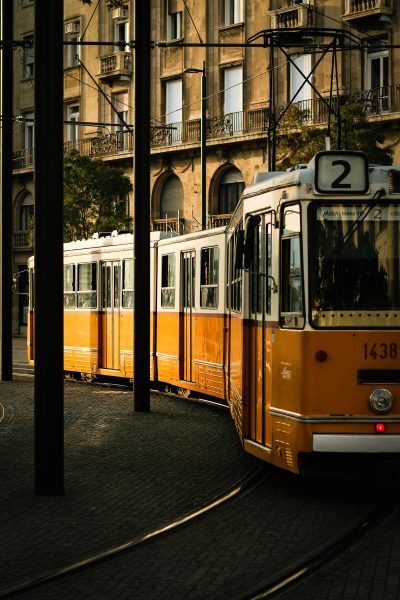
Hungary boasts a well-connected public transportation network. Buses, operated by Volánbusz, reach even the most remote corners of the country, making them ideal for long-distance travel. Within Budapest, the BKK system, encompassing metro, trams, buses, and trolleybuses, ensures seamless urban exploration. For budget-conscious travelers, the Hungary Pass provides unlimited access to BKK, MÁV, and Volánbusz services. Don’t forget to leverage the BKK Futár app for real-time updates and journey planning within the capital.
Bike:
Cycling is an increasingly popular way to discover Hungary, especially in Budapest, where dedicated bike lanes are expanding. City bike-sharing services like MOL Bubi provide convenient rental options, allowing you to explore at your own pace. Whether you’re cruising along the Danube quays or venturing into the scenic parks, cycling offers a unique perspective on the country’s beauty. Consider renting a bike for longer excursions to fully immerse yourself in the landscape.
Car Hire:
For those seeking flexibility and the ability to explore off the beaten path, renting a car is an excellent choice. Rental services are readily available at airports and in major cities. While driving in Budapest can be challenging, a car is invaluable for venturing into rural areas, visiting the picturesque villages of the countryside, and exploring the shores of Lake Balaton. Remember to familiarize yourself with parking regulations, especially in urban areas. Always have your international and local licenses with you when hiring a car.
Whether you choose the efficiency of public transport, the freedom of a car, the eco-friendliness of a bike, or the scenic charm of a train, Hungary offers a diverse range of travel options to suit every preference. With its well-developed infrastructure and affordable transportation choices, exploring this captivating country has never been easier.
Healthcare in Hungary for Foreigners
If you find yourself in a medical emergency while in Hungary, dial 112—the universal European emergency number that connects you to ambulance, police, and fire services.

Heading to Hungary? Great choice! While you’re exploring the stunning sights and savoring the delicious cuisine, it’s good to know about healthcare. Don’t worry, we’ll keep it simple and friendly. We use SafetyWing insurance for all our travel insurance needs, it’s affordable, reliable, and making a claim is refreshingly simple when the unexpected happens.
Emergency vs. Non-Emergency
The good news is that if you have a genuine medical emergency in Hungary, you’ll receive free care. That’s right, free. However, for non-emergency situations, like a minor illness or needing a prescription refill, you might have to pay. Hungary has a public healthcare system, but it’s best to be prepared.
EHIC/GHIC and Travel Insurance
If you’re from an EU/EEA country, your European Health Insurance Card (EHIC) or Global Health Insurance Card (GHIC) is your friend. It covers medically necessary state healthcare. But, and this is important, it might not cover everything. That’s where travel insurance comes in. It’s highly recommended to get a policy that covers things like repatriation, non-urgent treatment, and private healthcare.
Private vs. Public
Hungary also has private clinics and hospitals. They often offer shorter wait times and might have more English speaking staff, which can be helpful. However, they’re not covered by the public system, so you’ll definitely need insurance. Speaking of language, while some medical professionals in private clinics speak English, it’s not guaranteed in public hospitals.
A Little Extra Advice
If you have any pre-existing medical conditions, make sure to declare them when you buy your travel insurance. This ensures you’re fully covered. And remember, even though Hungary has a solid healthcare system, having comprehensive travel insurance gives you that extra peace of mind, letting you fully enjoy your Hungarian adventure. Remember if you can’t afford medical insurance , you can’t afford to travel.
Hungarian Goulash Anyone?
Hungarian cuisine is a delightful journey into hearty flavors and rich traditions. From savory stews to sweet pastries, the food of Hungary reflects the country’s history and culture. Get ready to embark on a culinary adventure.
Hearty Soups and Stews
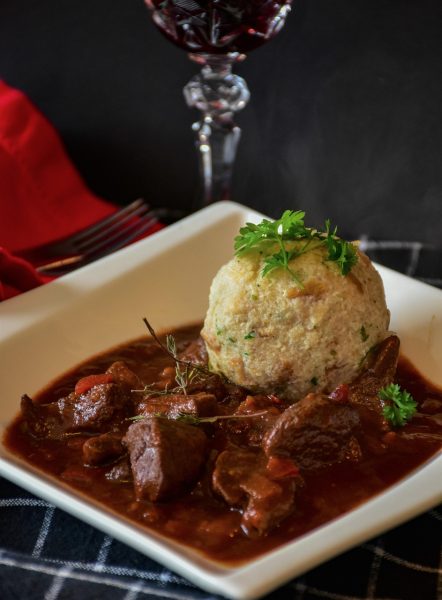
No exploration of Hungarian food is complete without trying Goulash (Gulyás), a world-famous beef stew seasoned with paprika. Fisherman’s Soup (Halászlé) is another must-try, a spicy fish soup often cooked in a kettle over an open fire. Chicken Paprikash (Paprikás Csirke) offers tender chicken in a creamy paprika sauce, while Pörkölt, a meat stew, provides a comforting and robust meal. Don’t forget to sample Főzelék, a creamy vegetable stew, and Lecso, a flavorful tomato peppery stew.
Savory Main Dishes
Lángos, a deep fried flatbread topped with garlic, sour cream, and cheese, is a popular street food. Hortobágyi Palacsinta, savory crepes filled with veal stew, offers a unique and satisfying experience. Töltött Káposzta (Stuffed Cabbage) is a hearty dish of cabbage rolls filled with meat and rice, simmered in a tomato sauce. Rakott Krumpli, a layered potato casserole, and Túrós Csusza, a pasta dish with cheese and sour cream, are also beloved classics. Stuffed peppers is also a very popular dish.
Sweet Desserts
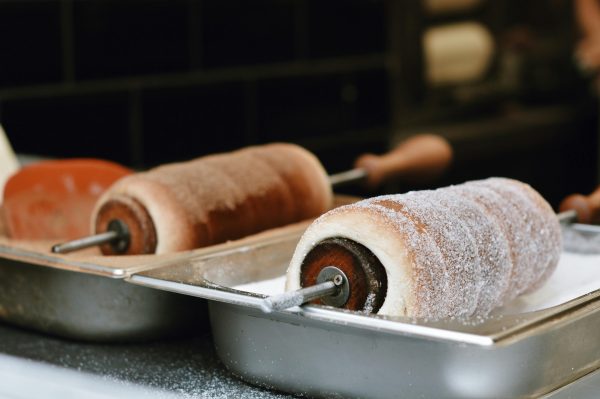
For dessert, indulge in Dobos Torte, a sponge cake with chocolate buttercream and caramel glaze. Somlói Galuska, a sponge cake dessert with whipped cream, walnuts, and chocolate sauce, is a true Hungarian treat. Chimney Cake (Kürtőskalács), a sweet dough baked on a spit and rolled in cinnamon or walnuts, is a must-try street treat. And for a quick sweet fix, grab a Túró Rudi, a chocolate-covered quark cheese bar.
Other Hungarian Delights
Hungarian sausages (Kolbász) are a staple, often served with bread or as part of a grazing platter. Pálinka, a fruit brandy, is a popular alcoholic beverage. And Hungary is known for its excellent wines, both red and white, especially from the Tokaj region.
Hungarian cuisine is a blend of hearty flavors and comforting dishes, reflecting the country’s rich history and diverse influences. From the iconic Goulash to the sweet Chimney Cake, there’s something to satisfy every palate. Enjoy your culinary journey through Hungary.
Cost of Living In Hungary
Finding short term accommodation and understanding the cost of living in Budapest can be a smooth process with the right resources. Whether you’re planning a brief work stint, an extended family visit, or simply exploring the city, knowing where to look and what to expect financially is crucial.
1. Online Platforms
For convenient and comprehensive short-term rentals, online platforms are your best bet. Websites like Flatio specialize in rentals from 14 days to a month, providing furnished apartments with essential amenities like internet access. These platforms often feature detailed descriptions, photos, and even virtual tours, allowing you to get a clear picture of your potential home. Additionally, sites like Cozycozy and Likibu aggregate listings from various sources, offering a wide range of options from apartments to villas, and allow price comparisons. These platforms help you find everything from budget-friendly options to luxury stays. Another affordable way to travel is through housesitting, check out TrustedHousesitters.com for opportunities. Websites like HomeExchange.com and HomesForExchange.com offer a fantastic alternative to paid accommodation. If you’re leaving your own home empty, why not swap it with someone else’s? Sometimes, you even get a car thrown into the deal.
2. Local Real Estate Websites
While international platforms are useful, exploring local real estate websites can uncover hidden gems and potentially better deals. By checking local listings, you might find apartments or rooms that aren’t advertised elsewhere. However, be prepared for potential language barriers and the need for local knowledge. It’s also important to verify the legitimacy of any listing, ensuring it has the necessary permits and registrations.
3. Affordability & Cost of Living
Budapest offers a relatively affordable cost of living compared to other European capitals. Rent prices vary depending on the location and type of accommodation. Shared flats can range from 100,000 to 130,000 HUF per month, while private flats typically cost between 200,000 and 250,000 HUF, including utilities. Public transport is reasonably priced, with single tickets at 450 HUF and 15-day passes at 6,300 HUF. Food costs are also manageable, with good meals available for around 10 EUR. However, it’s worth noting that rent prices have been increasing due to inflation, and some districts, like the 5th district, are more expensive due to their central location and tourist appeal.
4. Other Resources Beyond online platforms, consider exploring local Facebook groups and expat communities for potential accommodation options and cost of living insights. These resources can provide valuable firsthand experiences and tips. Additionally, familiarize yourself with the regulations regarding short term rentals, including licensing and registration requirements. Knowing your rights and responsibilities as a renter is essential for a smooth experience.
Whether you’re looking for a cozy apartment in the city center or a budget-friendly option on the outskirts, Budapest offers a variety of short term accommodation choices. By utilizing online platforms, exploring local resources, and understanding the cost of living, you can find the perfect home away from home and enjoy all that this vibrant city has to offer.
| Flights | |
| Departure Locations | Price (Return, in €) |
| New York to Budapest | 900 |
| Vancouver to Budapest | 1300 |
| Sydney to Budapest | 1300 |
| Auckland to Budapest | 1800 |
| London to Budapest | 120 |
| Accomodation | |
| Type | Price (per month, in €) |
| Rent (varies by location) | From 350 – 1000 |
| Utilities (gas, water, electricity) | From 200 |
| Food Costs | |
| Item | Price Range (€) |
| Cappuccino (Capital City) | 3.00 |
| Big Mac Burger | 3.40 |
| Beef Goulash | 6 – 8 |
| Fisherman’s Soup | 6 – 10 |
| Beer (local) | 2.50 – 5 |
| Glass of Wine | 1.5 – 3 |
| Cocktail | 5 – 15 |
| Bottle of Wine | 3 – 8 |
| Palinka bottle | 35 + |
| Loaf of bread | 1.00 |
| Eggs (Dozen) | 2.20 |
| Chicken Fillets (1kg) | 4.50 – 5.50 |
| Milk (1 Litre) | 1.30 |
| Water (1.5 Litres) | 0.30 – 0.50 |
| Potatoes (1kg) | 1.00 |
| Bananas (1kg | 0.60 |
| Transportation | |
| Type | Price (€) |
| Budapest to Debrecen (Train, one way) | 14 |
| Budapest to Split (Bus, one way) | No Buses |
| Budapest: One-way ticket (up to 1 hour) | 1.00 – 2.00 |
| Budapest: daily Pass | 6.50 |
| Budapest: 72 hour pass Pass | 16 |
| Petrol (per litre) | 1.65 |
| Entertainment | |
| Activities | Price (€) |
| Movie Tickets | 10 |
| Theatre Tickets | from about 35 |
| SIM Cards and Data | |||
| Provider | Price Range (€) | Price Range (€) | Benefits |
| Yettle | 30 | 30gb – 30 days | Prominent provider |
| T-Mobile | 55 | 4G & 5G coverage | Best Network |
| Vodafone | 35 | 5 Gb – 30 days | Global network |
| Telekom | 2.50 | 1 GB – 120 days | cheap |
| eSIM (data only) | |||
| Provider | Price Range (€) | Price Range (€) | Benefits |
| Airalo | 4.50 – 32 | 5G & LTE | Install before you leave home |
| Yessim | 25 | 10GB | We Just purchased yesim esims and becasue we bought 2 we got a 10% discount |
Cost of Living
You might find it amusing to include the cost of a Big Mac when discussing the cost of living in Hungary, but there’s some economic wisdom behind it. Economists often use the Big Mac as a benchmark for comparing living costs worldwide, a concept both clever and practical. Since McDonald’s exists in nearly every corner of the globe, the price of a Big Mac varies by country, reflecting local purchasing power and affordability. It’s a simple yet effective way to gauge the economic differences between nations, and yes, even in Hungary, the iconic burger plays a role in this global comparison.
When we travel, we like to take a similar approach. Instead of burgers, we pick a popular local dish and compare its price across different restaurants. In Hungary, our go-to benchmark meal was the classic Hungarian Goulash. A delicious a world-famous beef stew seasoned with paprika. It’s a yummy Hungarian traditional dish and a perfect way to gauge local dining costs. Plus, it gave us an excuse to indulge in the local cuisine frequently, purely for research, of course. Whether it was a high end restaurant or a Family run dining experience, comparing prices became a fun and tasty part of our Hungarian adventure.
Rules for Schengen Visa

The Schengen 90 day rule If you’re a non-EU citizen planning to stay in a Schengen country like Hungary for more than 90 days, you’ll need to apply for a residency permit. The “Schengen Visa” allows tourists to stay up to 90 days in a 180-day period, but this visa is often not required for citizens from countries like the United States, Canada, and Australia. However, starting in 2025, visitors from 60 countries will need to apply for an ETIAS (European Travel Information and Authorization System) visa waiver to enter Schengen countries for short stays.
If you’re planning to stay longer than 90 days, you’ll need a residency visa, or you could split your time between Schengen and non-Schengen countries like Ireland or Albania. Tracking entry/exit dates is crucial to avoid overstaying your welcome. There are a few app around that allow you track your stay down to the last day, a good one I would recommend is Schengen Cal 90/180. With careful planning and research, you can extend your time in Europe beyond the typical tourist limits

Aperitivo Roma
Aperitivo RomaAperitivo Roma done right, find the best Trastevere bars, what to drink, what it…

Sicily Travel (How to Plan 1 – 3 Months Stay)
Sicily Travel (How to Plan 1 – 3 Months Stay)Sicily travel planning guide for 1–3…

Milos Island Greece
Milos Island, GreeceMilos Island, Greece: 70+ stunning beaches, volcanic landscapes & authentic villages make this…

Sifnos Island Greece
Sifnos Island GreeceSifnos Island Greece offers authentic charm, exceptional cuisine, and relaxed beaches. Discover why…

Schafberg Cog Railway
Schafberg Cog RailwaySchafberg Railway climbs steep alpine slopes from St. Wolfgang. Ride the historic cog…
