

Introduction to Italy
Italy isn’t a destination to rush through, it’s a place to savour. Living here for 3 months is the dream. From Trastevere’s cobblestone streets to the breath-taking Amalfi Coast, every corner invites you to slow down and soak up the magic. Slow travel in Italy is all about embracing “la dolce vita” (the sweet life), enjoying the scenery, tasting local cuisine, and connecting with the Italian way of living.
Plan your journey with intention. Relax, explore, and let Italy steal your heart, one delicious moment at a time.

Seasonal festivals – truffle fairs in Bologna and chestnut celebrations in Puglia, are a fantastic way to mingle with locals and immerse yourself in authentic Italian culture. Whether lingering in Capri or enjoying the buzz of Portofino, each moment feels like a gift.
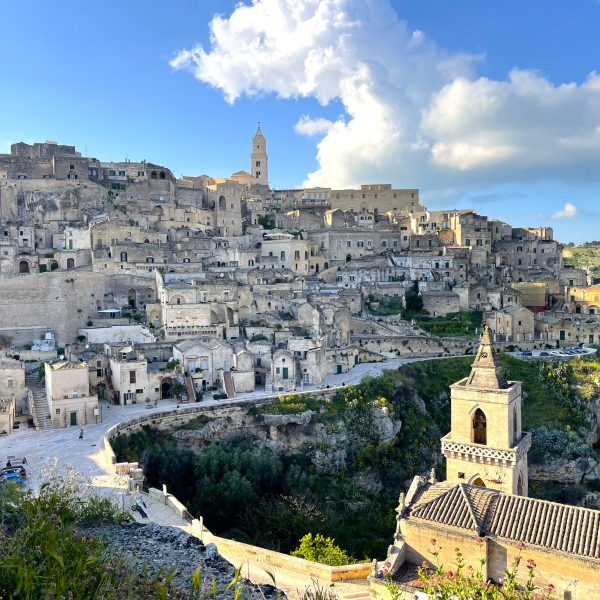
Skip the checklist of landmarks and instead wander Matara’s charming sassi or sip cappuccinos in the small village of Limone on Like Garda. Discover Tuscany’s vineyards, savour fresh seafood in Sorrento, or unwind with a glass of wine on Sardinia’s sandy beaches. Every region has its own flavours and traditions waiting to be explored.
Slow travel is more than a style, it’s a mindset. By savouring experiences like a peaceful stroll through Rome or a scenic train ride in Sicily, you’ll discover the soul of Italy. Plus, it’s better for the environment and local communities.
Geography of Italy

Italy, with its unmistakable boot-shaped outline, boasts a diverse and fascinating landscape that captivates travellers. At the northern border, the Alps stretch majestically, creating a natural barrier and offering spectacular views. Nestled at their base lie magnificent lakes like Como and Garda, formed by glacial activity.
Approximately 40% of Italy is mountainous, with the Apennine Mountains running the length of the country from north to south, dividing it into east and west regions. Alongside the rugged terrain are more than 1,000 lakes, most of which are man-made, created by damming valleys.
Italy’s geography is shaped by its active volcanoes, including Mount Etna and Vesuvius, which enrich the soil with nutrients, making the land fertile. Despite its lush, green countryside, some areas are dry and arid. Surrounding Italy on three sides are five seas: the Mediterranean, Adriatic (northeast), Ionian (southeast), Tyrrhenian (southwest), and Ligurian (northwest). The beach a beautiful crystal blue water with a variety of pebbles and sand depending on the region.
How could forget Venice, a city built on reclaimed islands, highlights Italy’s human ingenuity amidst its natural challenges. The country’s location on the collision zone of the African and Eurasian plates makes it prone to earthquakes, with the Apennines and parts of Sicily among the most seismically active regions. Remarkably, the Alps remain an area of relative stability.
Best Time to Visit Italy
Italy’s climate offers something for every traveller. Summer weather in Italy (June–August) sizzles with sunshine, perfect for beach days, hiking, or enjoying lively festivals. While the crowds peak, so does the energy, don’t miss Ferragosto on August 15th, a day of beach parties and feasting. Temperatures often reach 30°C (86°F), so a gelato break is a must. Average temperature is 22–29°C (71.6–84°F)

Autumn climate in Italy (September–November) is simply glorious. Cooler weather, fewer tourists, and a calendar packed with food and wine festivals make it a dreamy time to visit. Imagine indulging in truffles, chestnuts, and local wines while exploring picturesque countryside. The average temperatures are Northern Italy: 7-18°C (45-65°F) Central Italy: 13-21°C (55-70°F) Southern Italy: 18-24°C (65-75°F).
Winter weather in Italy (December–February) brings crisp days and fewer crowds. It’s a fantastic season for museum-hopping, skiing, or wandering Christmas markets. Plus, flights and accommodation are more budget-friendly. Average temperature 6°C (42.8°F) in the north to 11–14°C (51.8–57.2°F)
Spring weather in Italy (March–May) is a breath of fresh air. Flowers bloom, baby animals frolic, and the countryside awakens. With mild temperatures and fewer crowds, it’s one of the best times to visit. The average temperature in the north is 2 – 13 C (34-56F) and the south 11 – 16 C (52-59F).
Italian Culture
Italian culture is warm-hearted, vivacious, and full of passion. Italians take immense pride in their traditions, family life, and food, and they’re always eager to share it with others. The sense of community is strong, with regular local food and wine festivals celebrating everything from truffles to chestnuts. In cities and villages, greeting friends with a kiss on the cheek is common, and respect for others, especially elders, is deeply rooted in daily life.

While Italians value personal relationships and are open to foreigners, learning the language and immersing yourself in the culture will make a world of difference. Italians have a relaxed yet social lifestyle, often enjoying long lunches and late dinners. The dining culture is central to social life, with leisurely meals and a great appreciation for local cuisine, wine, and coffee. Whether you’re in bustling Rome or tranquil Tuscany, expect a warm welcome and memorable experiences.
Italian Language
Italian is spoken everywhere in Italy, often alongside charming local dialects, especially in the countryside. While over 20 million Italians speak English, they’re usually not native speakers. Don’t worry, though, gestures and miming are universal and often lead to shared laughter.
Learning a few Italian phrases is not only helpful but also enriches your travel experience. Apps like Duolingo make it fun and easy to practice daily. Planning an extended stay? Consider enrolling in a local language school. You’ll pick up useful skills while exploring markets, ordering in restaurants, and meeting new friends. Embrace the adventure of learning.
Travelling in Italy
Exploring Italy is a joy, and its transportation options make getting around easy, scenic, and affordable. Embrace the local way by using public transport, it’s a great way to relax while soaking in the gorgeous landscapes and indulging in some top-notch people-watching.
Trains:
Italy’s rail system is efficient and diverse, offering everything from superfast bullet trains to commuter options. For tickets, apps like Trenitalia, Italiarail, or Thetrainline let you compare prices and book in your preferred currency. Long distance tickets are often cheaper when booked months in advance, while regional tickets can be purchased on the day of travel. Not sure if a Eurail pass is for you? Compare it with individual ticket prices based on your itinerary.

Buses:
For budget travellers, buses like FlixBus and Marino Bus are clean, affordable, and reliable, though minor delays can happen. Book easily through apps like Omio or directly on their websites
Ferries:
If you’re dreaming of a scenic trip, ferries are fantastic. Overnight options, such as Naples to Palermo, offer simple yet comfortable cabins. Apps like Ferryhopper make booking hassle free.
Car Hire:
For off-the-beaten-path adventures, renting a car offers ultimate flexibility. Remember to have your international drivers licence as well as your local drivers licence. They are often both asked for when hiring a car. Just brush up on Italian driving customs before hitting the road.
Healthcare in Italy for Foreigners
Traveling to Italy is a dream for many, but knowing how healthcare works there can help you feel secure during your visit. Italy’s public healthcare system, the Servizio Sanitario Nazionale (SSN), provides comprehensive services to citizens and qualifying foreigners. For visitors, reciprocal healthcare agreements can make accessing care easier. We use SafetyWing insurance for all our travel insurance needs, it’s affordable, reliable, and making a claim is refreshingly simple when the unexpected happens.

Countries like the UK, Australia, and the US have arrangements with Italy. Australians, for instance, can receive essential medical care within six months of arrival by presenting their Medicare card and passport. UK travellers can use a Global Health Insurance Card (GHIC) or a European Health Insurance Card (EHIC) for state healthcare, and UK residents staying long-term can register with a GP.
Unfortunately, countries like Canada and New Zealand lack such agreements, meaning visitors must purchase private insurance to cover medical needs.
Even with reciprocal agreements, travel insurance is highly recommended. While these agreements may cover basic or emergency care, they often exclude medicines, specialized treatments, and repatriation. Travel insurance bridges these gaps, covering unexpected events like illness, injuries, and lost belongings. Though it adds to travel costs, the peace of mind it provides can save you from financial strain in emergencies.
Take proactive steps to enjoy Italy’s rich culture and history without worrying about the unexpected. Always check your eligibility and travel insurance option before you go.
Italian Foods You Must Try
Italy is a paradise for food and wine lovers, where every meal tells a story of history, culture, and passion. From the hearty risottos of Lombardy to the sun-drenched flavours of Sicily, Italian cuisine is as diverse as the country’s breathtaking landscapes. If you’ve ever felt overwhelmed by where to start your culinary journey, you’re not alone. Let’s make exploring Italy’s food scene inspiring and stress-free.

Each region boasts its own specialties. In Emilia-Romagna, savour the world famous Parmigiano Reggiano and Prosciutto di Parma, both protected by PDO status. In Tuscany, indulge in Ribollita, a rustic vegetable soup, perfectly paired with a bold Chianti from a wine window in Florence. Heading south, Lazio offers the irresistible Cacio e Pepe or Carbonara from Restorante Le Mani in Pasta in Trastevere, while Sicily tempts with sweet Cannoli at the incredible hidden monastery of Segreti del Chiostro and or the Arancini that are to die for at Da Mimì di Guglielmo Damiano a cute little street food store in the heart of Palermo.
Italian wines, crafted in all 21 regions, beautifully complement local dishes. Whether it’s Piedmont’s Barolo or Veneto’s crisp Prosecco, the unique topography, soil, and climate shape every sip.
Turn your travel dreams into reality by exploring Italy’s rich culinary traditions. Experience authentic flavours, connect with the culture, and bring home stories to savour forever. Ready to dive in? Start your Italian food adventure today.
Cost of Living In Italy
Living in Italy is significantly less expensive than living in the U.S. The simplest reason is that housing and health insurance costs are much lower Renting a house in Italy for 3 months is a fantastic way to immerse yourself in the culture, but finding the right place at the right price requires a bit of research. Fortunately, there are plenty of resources to help you find a rental that suits your needs. We don’t always have a car, so we always try to look for accommodation that is close to public transport (either bus or train). Walking and cycling is also great exercise and a way to see the country.
1. Online Platforms
For flexible rentals, Airbnb and Vrbo are great starting points, offering houses and apartments with the option of staying for a few months. If you’re looking for mid-term stays, I would advise negotiating with the landlord you may find places with discounts for longer stays. Booking.com also lists vacation homes and apartments, some of which may offer rental agreements for up to 3 months. Remember as much as I love Airbnb is this can still be expensive.

2. Local Real Estate Websites
Idealista.it and Immobiliare.it are two leading Italian rental platforms, where you can find everything from countryside villas to city apartments. These sites cater to longer-term rentals, and many properties can be rented for a few months at a time. Subito.it is another option, offering classified ads for rental properties in various regions of Italy.
3. Affordability & Cost of Living
The cost of renting a house in Italy can vary widely based on the region and the length of time. Cities like Rome, Milan, and Florence tend to be more expensive, with monthly rents for a one-bedroom apartment ranging from €800 to €1,500. In smaller towns or rural areas, you can find much more affordable options, sometimes under €500 a month. Keep in mind that utilities (gas, electricity, and internet) are usually extra and may add €100-€150 per month.
4. Other Resources
Social media platforms like Facebook Groups and Reddit (r/expats, r/Italy) are great for connecting with locals and expats who may have rental tips. If you’re staying longer, consider enrolling in a language school to meet people and perhaps even find a rental through their network. Always ask around, especially at the local shops, someone always has a brother or a cousin with a place to rent.
By exploring these options and being flexible, you’ll find a home that fits both your needs and your budget.
| Flights | |
| Departure Locations | Price (Return, in €) |
| New York to Rome | 1300 |
| Vancouver to Rome | 1300 |
| Sydney to Rome | 2300 |
| Auckland to Rome | 2300 |
| London to Rome | 270 |
| Accomodation | |
| Type | Price (per month, in €) |
| Rent (varies by location) | From 600 |
| Utilities (gas, water, electricity) | From 440 |
| Food Costs | |
| Item | Price Range (€) |
| Cappuccino (Capital City) | 1.50 – 2.00 |
| Big Mac Burger | 5.80 |
| Capricciosa Pizza | 9.90 |
| Pasta Carbonara | 10 – 12 |
| Birreria (Beer) | 4 – 5 |
| Glass of Wine | 2 – 3 |
| Cocktail | 6 – 7 |
| Aperitivo (drink + Snacks) | 8 – 10 |
| Aperol Spritz | 3.50 – 5 |
| Loaf of bread | 2 |
| Eggs (Dozen) | 3.50 |
| Chicken Fillets (1kg) | 10.50 |
| Milk (1 Litre) | 1.50 |
| Water (1.5 Litres) | 0.50 |
| Potatoes (1kg) | 1.50 |
| Bananas (1kg | 1.90 |
| Transportation | |
| Type | Price (€) |
| Rome to Venice (Train, one way) | 29 – 150 |
| Rome to Venice (Bus, one way) | 9 – 30 |
| Rome: One-way ticket (up to 75 min) | 1.50 |
| Rome: Monthly Pass | 35 |
| Rome: Annual Pass | 250 |
| Petrol (per litre) | 1.80 |
| Entertainment | |
| Activities | Price (€) |
| Movie Tickets | 8.50 |
| Theatre Tickets | 35 |
| SIM Cards and Data | |||
| Provider | Price Range (€) | Price Range (€) | Benefits |
| TIM | 13 – 40 | 3G, 4G and some 5G | English speaking staff |
| WindTre | 13 – 40 | Best 4G coverage | Broadband + mobile plan |
| Vodafone | 13 – 40 | 5G (including some rural areas) | Global network |
| Iliade | 8 – 14 | 5G coverage | Affordable with good coverage |
| eSIM (data only) | |||
| Provider | Price Range (€) | Price Range (€) | Benefits |
| Airalo | 4.50 – 32 | 5G & LTE | Install before you leave home |
| Yessim | 25 | 10GB | We Just purchased yesim esims and becasue we bought 2 we got a 10% discount |
Cost of Living

You might find it amusing to include the cost of a Big Mac when discussing the cost of living in Italy, but there’s some economic wisdom behind it. Economists often use the Big Mac as a benchmark for comparing living costs worldwide, a concept both clever and practical. Since McDonald’s exists in nearly every corner of the globe, the price of a Big Mac varies by country, reflecting local purchasing power and affordability. It’s a simple yet effective way to gauge the economic differences between nations, and yes, even in Italy, the iconic burger plays a role in this global comparison.
When we travel, we like to take a similar approach. Instead of burgers, we pick a popular local dish and compare its price across different restaurants. In Italy, our go-to benchmark meal was the classic Capricciosa pizza. Topped with artichokes, mushrooms, ham, and olives, it’s a delicious slice of Italian tradition and a perfect way to gauge local dining costs. Plus, it gave us an excuse to indulge in pizza frequently, purely for research, of course! Whether it was a casual pizzeria or a high-end trattoria, comparing Capricciosa prices became a fun and tasty part of our Italian adventure.
Rules for Schengen Visa

The Schengen 90 day rule If you’re a non-EU citizen planning to stay in a Schengen country like Italy for more than 90 days, you’ll need to apply for a residency permit. The process can be lengthy, so it’s best to start early by checking the requirements on the Italian Ministry of Foreign Affairs website. The “Schengen Visa” allows tourists to stay up to 90 days in a 180-day period, but this visa is often not required for citizens from countries like the United States, Canada, and Australia. However, starting in 2025, visitors from 60 countries will need to apply for an ETIAS (European Travel Information and Authorization System) visa waiver to enter Schengen countries for short stays.
If you’re planning to stay longer than 90 days, you’ll need a residency visa, or you could split your time between Schengen and non-Schengen countries like Ireland or Albania. Tracking entry/exit dates is crucial to avoid overstaying your welcome. There are a few app around that allow you track your stay down to the last day, a good one I would recommend is Schengen Cal 90/180. With careful planning and research, you can extend your time in Europe beyond the typical tourist limits

Aperitivo Roma: Best Bars and Local Aperitivo Guide in Rome
Aperitivo RomaAperitivo Roma done right, find the best Trastevere bars, what to drink, what it…

Sicily Travel (How to Plan 1 – 3 Months Stay)
Sicily Travel (How to Plan 1 – 3 Months Stay)Sicily travel planning guide for 1–3…

Sicily Travel Tips:How to Plan the Perfect Italian Getaway
Sicily Travel TipsSicily travel tips to plan your trip, discover history, food, beaches, and top…

Tips on How to Rent a Car in Italy
Tips on How to Rent a Car in ItalyHow to Rent a Car in Italy…
17 Must See Places In Matera, Italy (Yes, You’ll Want to Stay Longer)
17 Must See Places in Matera, Italy (Yes, You’ll Want to Stay Longer)Wandering the ancient…