
- The Ultimate Guide to Spending 90 Days in Europe After 50
- Welcome to he Ultimate Guide to Spending 90 Days in Europe After 50
- Why 90 days is the magic number (Schengen rules, but also sweet spot for immersion)
- Budgeting basics: flights, accommodation, transport, food
- Health & Travel Insurance
- Visa concerns & time limits explained simply
- Packing light, prepping home, and mail handling, for your 90 Day Trip to Europe
No time to read the full article here are my favourite picks..
- Just a heads up: you’re only allowed to stay in Schengen countries for 90 days within any 180 day window. Grab the free app to keep track of your countdown.
- For a deeper dive into specific countries, head over to our Destinations tab. We break down everything from healthcare policies and Schengen rules to the everyday costs of living like a tourist.
- Planning your holiday can be half the fun, unless it feels totally overwhelming. Grab our free planning guides to help you tackle it step by step, at your own pace, and get that dream trip sorted.
Welcome to he Ultimate Guide to Spending 90 Days in Europe After 50
So, you’re dreaming of 90 days in Europe and why not? You’ve earned it. This is the sweet spot: long enough to truly live in a place, soak in the culture, drink the wine (slowly), and still have time to discover where the locals get their coffee. Whether you’ve just waved goodbye to full-time work or you’re simply ready to trade routine for Roman ruins, this guide is your launchpad.

This Isn’t Your First Rodeo
We’ve done the whirlwind tours, the hop on-hop offs, the “if it’s Tuesday, it must be Belgium” schedule. And while they were fun in their time, we’re over the race and into the rhythm. This blog is for those of us who want more, more depth, more connection, more time.
Everything You Need to Know, In One Place
From the nitty gritty on Schengen rules to visa tips, planning advice, budgeting ideas, and travel styles that actually suit how you roll now, we’ve got it all covered.
Ready to plan your extended European adventure? Let’s go.
Why 90 days is the magic number (Schengen rules, but also sweet spot for immersion)
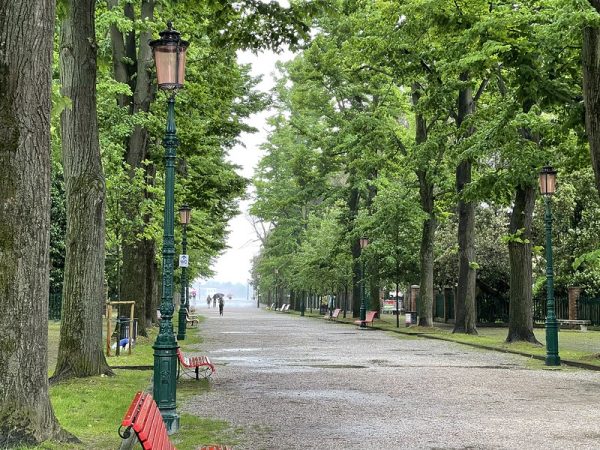
The Schengen Sweet Spot
For non EU travellers over 50, 90 days in the Schengen Area is the magic number. Because that’s exactly how long you’re allowed to stay without needing a visa. That’s three full months to explore most of Europe’s iconic destinations without getting tangled in embassy paperwork. Think of it as a golden ticket to roam free, just keep one eye on the calendar. There is a great little app that will help you keep check of the days, down load it free here.
Not Too Short, Not Too Long
But it’s not just about rules, it’s about rhythm. Ninety days gives you enough time to travel slowly, settle into the vibe of a place, and not feel like you’re cramming culture down your throat. It’s the perfect length to unpack your bag (and maybe even your thoughts), live like a local, and have room in your schedule for unexpected adventures.
Just Right for Real Travel
It’s long enough to feel changed by your trip, but not so long you forget which drawer your cutlery goes in at home. Win-win.
Choosing a region or country (France, Italy, Spain, Portugal, Eastern Europe)
Pick a Place and Stay Awhile
When it comes to choosing where to spend your 90 days, we’re big fans of slow travel. Give us one country, a cosy apartment, and six weeks to soak it all in. Sure, our friends think we’re bonkers “You could see ten countries in six weeks”, but that kind of travel isn’t for us. We’d rather know the name of our baker than spend half our trip on trains and in transit lounges.
Live Like a Local

Renting a house or apartment for a month is often cheaper (and way comfier) than hopping between hotels. Plus, you get to experience the rhythms of everyday life, markets, local cafés, even a cheeky language class if you’re game. It’s less sightseeing, more being.
Travel Smart, Not Constantly
Stick to regions where countries are close together, Spain and Portugal, or Italy and Slovenia. Use overnight trains, stay at least four nights per stop, and always leave room for spontaneity.
Budgeting basics: flights, accommodation, transport, food
Budgeting Basics for Your Europe Trip

Planning a three month trip through Europe? Budgeting wisely is key to making it smooth and stress free. Your biggest costs will likely be flights, accommodation, transport, and food. Booking flights early can help you snag great deals especially if you’re flexible on dates and airports. Consider flying into a hub like Rome, Lisbon, or Athens for better prices.
Seasonal Price Swings
Europe’s travel seasons can make a huge difference to your budget. Summer (June–August) is peak season, which means higher prices for everything, especially accommodation and attractions. Spring and autumn are ideal for pleasant weather, less tourists and better deals, while winter (except around Christmas) often brings the lowest prices, particularly in cities.
Go East to Spend Less
Not all of Europe costs the same. Western countries like France, Italy, and the UK tend to be more expensive, while Eastern and parts of Southern Europe offer much better value. As a general rule: the further east you go, the cheaper it gets.
Dig Deeper with Our Country Guides
Want to get specific? Check out my country descriptions they break down the average cost of food, accommodation, transport, and more in each country so you can plan smarter and travel longer.
Health & Travel Insurance

Don’t Skip This: Travel Insurance Is Non Negotiable
If you’re planning a dreamy 90 day European escape here’s the truth bomb: if you can’t afford travel insurance, you can’t afford to travel. Harsh? Maybe. True? Absolutely. As a non-EU citizen, most countries require proof of insurance to enter, especially if you’re on a Schengen visa. Even in places where emergency visits might be free or partially covered, most healthcare will come with a bill and trust me, it’s not the kind of souvenir you want.
Older = Pricier (Sorry, But Yeah)
Here’s the kicker, the older we get, the more insurance companies rub their hands with glee. Premiums rise with age, so factor that into your travel budget early. Head on over to my travel destination page, I break down how each European country handles healthcare for non EU visitors, some are kinder than others. But the bottom line? Get covered, stay covered, and roam worry free. Your future self (and your wallet) will thank you.
Visa concerns & time limits explained simply
The 90/180 Rule (What It Means for You)
Planning a 90 day European adventure? Lovely. Just don’t forget the golden rule: non EU citizens (yes, that includes Australians, American and Canadians and New Zealanders) can stay in the Schengen Area for 90 days in any 180-day period. That’s not 3 months per country, that’s 3 months total across 27 countries. Stay longer, and you could get fined, banned, or just stressed. And who wants to deal with border drama when you could be sipping wine in Provence?
Say Hello to ETIAS, Europe’s New Gatekeeper
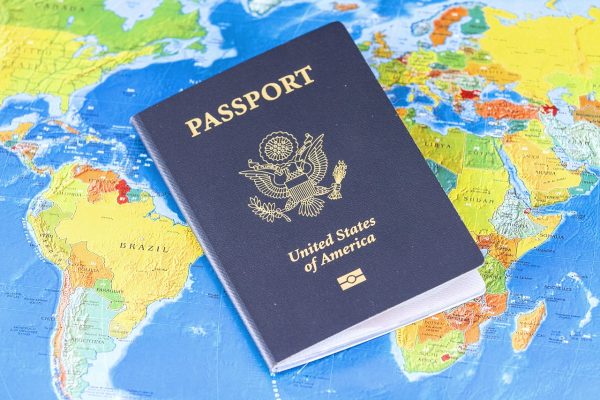
Starting mid 2025, Australians and other visa exempt travelers will need an ETIAS to visit the Schengen Zone. It’s not a visa exactly, more like a digital permission slip. Similar to the U.S. ESTA, it screens you before you travel because yes, Europe wants to know who’s knocking at the door. You’ll need to apply online with your passport, travel plans, and answer a few security questions. Easy enough, but don’t leave it to the last minute.
Biometric Check-Ins with EES
Also arriving in late 2025: the Entry/Exit System (EES). This will log your biometric data (think fingerprints and photos) at the border. So no more slipping through on a wink and a smile. For a deeper dive, check out my full post on European visa rules, it’s got all the fine print without the yawns.
Packing light, prepping home, and mail handling, for your 90 Day Trip to Europe
Packing Light: Yes, It Is Possible

People never believe us when we say we travel for 90 days with just 7–9 kg of luggage each but it’s true! Brendan and I swear by the capsule wardrobe and only pack pieces that mix and match easily. And yes, we still have outfit options. We’re also strategic with accommodations, every second place must have a washing machine. It’s like travel math: fewer clothes + more laundry = less back pain and no checked baggage stress.
Prepping the Castle Before You Go
Before heading off on your grand European adventure, I know it common sense but secure your home like the seasoned globetrotter you are. Lock all doors and windows, set your alarm, and give your security company and a trusted neighbour a heads-up. Another option is to get a house sitter or rent your place out to help finance your trip. Remember to unplug appliances, adjust your thermostat, and set a few light timers to make it look like someone’s still around binge-watching Netflix.
Mail, Bills & Other Boring (but Necessary) Stuff
We don’t get a heap of snail mail these days, but it still needs handling. Set up direct debits for your bills, and either redirect or hold your mail at the post office (yes, there’s a fee, but peace of mind is worth it). Plants watered, bins emptied, fridge cleaned, then I’m leaving on a jet plane….