
- Short Term Apartment Rentals in Europe
- Benefits
- Potential Drawbacks
- Benefits
- Drawbacks
- Why Volunteer in Europe?
- Why Volunteer in Europe?
- Types of Volunteering Opportunities
- Why Pay to Volunteer?
- Why Pay to Volunteer?
- Hosts and Legitimacy
- Location, Location, Location
- Features and Amenities
- Costs and Reviews
- Tips for Booking
- Benefits
- Potential Drawbacks to Consider
No time to read the full article here are my favourite picks..
- Ever tried a house swap? With Home Exchange, save money, stay in fully-equipped homes, and experience new places like a local!
- Everyone has their must-haves when it comes to a holiday, so make sure to decide on them before booking to avoid any disappointments later on.
- Choose a location that matches your personality and aligns with what you want from your holiday, whether it’s adventure, relaxation, or cultural immersion, the right place makes all the difference.
1. What to Look for in a Short-Term Rental in Europe
Choosing the perfect rental for your European getaway is like picking the right pair of shoes for a trip, you want comfort, practicality, and a touch of style. First, think location. Are you close to public transport, shops, and the attractions you want to see? Walking everywhere sounds dreamy until you realize the nearest bus stop is a 30-minute hike.

Next, consider what you need: is a cosy room enough, or do you want a full apartment with a kitchen for late-night pasta experiments? If you’re staying a while, a washing machine us is a no brainer. We can take less clothes and wash every couple of days. And don’t forget Wi-Fi, whether you’re working or just posting those envy-inducing photos.
Think about your travel pace. Are you settling in one spot, soaking up the local vibe, or hopping between cities? If it’s the latter, smaller rentals might be more practical. And then there’s cost. Watch out for cleaning fees, booking agent charges, and parking costs if you’re road-tripping.
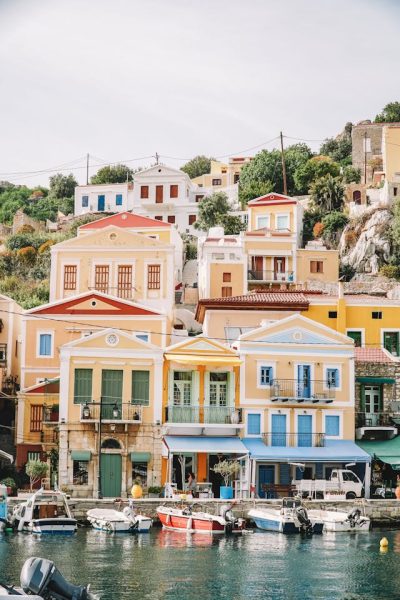
Finally, ask yourself: what are your deal-breakers? A private bathroom? A desk to work on? Whatever your non-negotiables, keep them top of mind, because nothing spoils a trip faster than realizing your “perfect” rental doesn’t quite fit.
2. Finding the Perfect Apartment for Rent

Looking for the perfect short-term rental in Europe? Here are some fun and reliable platforms to get you started:
- Airbnb: A favorite for travelers, Airbnb offers everything from cozy rooms to entire apartments or villas. You can filter by amenities, budget, and location to suit your needs. Reviews and Superhost badges help ensure a great experience.
- VRBO (Vacation Rental by Owner): Ideal for families or groups, VRBO specializes in larger spaces like houses and apartments. It often features upscale options, but there are budget-friendly gems too.
- Booking.com: Not just for hotels! Check out Booking.com has a robust collection of short-term apartments with flexible cancellation policies, perfect if plans change.
- Spotahome: For stays of 30+ days, Spotahome offers fully furnished rentals with video tours to ensure transparency.
- Homelike: Tailored for expats and business travelers, Homelike lists mid-term rentals (1–3 months) in major European cities.
- Facebook Groups & Reddit: Join local expat groups or browse subreddits like r/expats or city-specific forums for insider tips and direct listings.
- Rental Agencies: Websites like Habitat Apartments (Barcelona), Cobblestone Apartments in Paris or local agencies often have vetted options in specific cities or regions.

- Nomad Stays: Think outside the box! This site caters to digital nomads, offering affordable accommodations for stays of a week or longer. Options range from co-living spaces to private apartments, providing variety and flexibility. It’s definitely worth checking out!
Pro Tip: Compare prices across platforms, watch out for hidden fees, and read reviews thoroughly to find the best match for your adventure.
3. House Swapping: Save Money and Travel Like a Local
Have you ever considered house swapping for your next holiday? It’s an affordable and immersive way to travel, allowing you to trade homes with someone else and skip hefty hotel bills. Home exchange platforms like HomeExchange, People Like Us, Swap House, HomeLink, and Intervac Home Exchange make the process simple and secure.

Benefits
- Cost Savings: Stay in someone’s home instead of paying for hotels or rentals, often with added perks like car or bike use.
- Living Like a Local: Experience authentic neighborhoods and live like a local. Whether your staying in a city apartment or a cozy country retreat you get an authentic taste of the culture and neighborhood.
- Connection: Build trust and form meaningful connections and even lifelong friendships with fellow swappers.
- Flexibility: Platforms like HomeExchange and People Like Us offer non-reciprocal exchanges to increase options.
Potential Drawbacks
- Trust Factor: Welcoming strangers into your home can initially feel daunting and might require initial trust-building.
- Preparation: Cleaning, organizing, and leaving detailed instructions can be time consuming.
- Match Challenges: Finding the perfect match for dates and destinations isn’t always guaranteed.
Additionally, flexibility is key, as finding a perfect match for dates and destinations isn’t guaranteed. Platforms like People Like Us address this with non-reciprocal exchanges using “Globes” or “GuestPoints.”
If you’re not ready for a full swap, consider house-sitting as an alternative. Either way, you’ll enjoy the chance to travel affordably and meaningfully. Why not give it a try for your next adventure?
4. House Sitting: A Unique Way to Travel and Save
House sitting offers an incredible opportunity to save on accommodation costs, live like a local, and make furry friends along the way. Pet parents benefit by securing trusted care for their pets, while sitters gain a cozy place to stay, it’s truly a win-win for everyone, especially the pets.
Benefits

- Cost Savings: Free accommodation can drastically cut travel expenses.
- Local Experience: Live in unique homes and immerse yourself in local culture.
- Pet Companionship: Make new friends for life with the pets you care for.
- Flexibility: House sits range from short weekends to months-long stays.
Drawbacks
- Commitment: Sitters need to adhere to pet care schedules, like feeding, walking, or managing anxious pets.
- Limited Freedom: You may need to be home most of the day or every evening, restricting spontaneity.
- Responsibility: Pet and house care are top priorities, leaving little room for extended outings or trips.
Why Volunteer in Europe?
Gain experience. Platforms like Trusted House Sitters, House Carers, and Mind My House connect homeowners and sitters worldwide, offering varying features like insurance, background checks, and notification alerts.
Each platform has pros and cons, so consider your priorities: whether it’s international coverage, ease of use, or low competition. With yearly memberships ranging from $40 to $259, house sitting can save you thousands in accommodation costs.
House sitting offers the perfect blend of affordable travel, local immersion, and the joy of caring for beloved pets, a truly rewarding way to see the world.
Planning – Proven European Travel Tips to Save Your Sanity
- Map it Out: Use a calendar and don’t count travel days as days in a location. Trust me, you’ll need that recovery Aperol Spritz at the end of the day.
- Respect the Siesta: (In some European countries, this is still a thing.) From 1:00–4:30, things will close.
- Closed Sundays: Especially smaller shops and bakeries.
- Google Translate: Lifesaver. Also: learn “Ciao, Guten Tag, Kalimera – hello” and “Grazie – Thank you.”
- eSIM Cards: Grab one from Airalo for easy data.
- Talk to Locals: They know all the best spots that aren’t on the ‘Gram.
- Do yourself a favour and Download our Build Your Trip Planner, It will make planning easier and more fun.

5. Volunteering in Europe: Travel with Purpose
Dreaming of traveling to Europe but want a meaningful experience? Volunteering abroad might be the perfect fit! From helping marine conservation in Greece to supporting sustainable farming in Ireland, volunteering lets you explore vibrant cultures while making a real difference.
Why Volunteer in Europe?
- Why Volunteer in Europe?
- Save Money and Travel Differently: Many programs include free accommodation, meals, and sometimes even travel. It’s an affordable way to experience Europe deeply.
- Immerse Yourself in Local Cultures: Live and work alongside locals, learning their traditions, languages, and ways of life.
- Make a Positive Impact: Contribute to conservation, education, or social programs that help communities and wildlife.
Types of Volunteering Opportunities

- Conservation: Protect sea turtles in Greece, help with dolphin research in Italy, or work on sustainability projects in Spain.
- Education: Teach English or help children learn new skills, offering them brighter futures.
- Hospitality: Volunteer in hostels, gaining real-world experience while meeting travelers from around the globe.
- Agriculture: Work on organic farms in Ireland or Portugal, learning sustainable practices.
Why Pay to Volunteer?
Check out programs with trusted organizations like International Volunteer HQ, Projects Abroad, Worldpackers, Volunteer Solutions, or Global Volunteers.
Why Pay to Volunteer?
Your fees cover food, housing, training, and support, ensuring projects are ethical, well-organized, and genuinely beneficial.
Ready to travel with a purpose? Volunteering in Europe offers an incredible mix of adventure, cultural immersion, and personal growth. Let this be the year you explore, give back, and create unforgettable memories.
6. What to Look for in a Short-Term Apartment Rental Lease in Europe
Booking a short-term rental in Europe can be exciting, but it’s important to know what to look for to avoid disappointment. Here are some tips I’ve learned from experience:

Hosts and Legitimacy
- Super Hosts: I always look for Super Hosts on platforms like Airbnb. They have a 4.8+ rating, run their rentals like a business (which often means better service), and have a low cancellation rate (less than 1%).
- Legally Operated: Check if the listing mentions a license number, especially in cities like Paris or Budapest where it’s required. If some listings in the area show license numbers, avoid those that don’t—they might not be operating legally.
Location, Location, Location
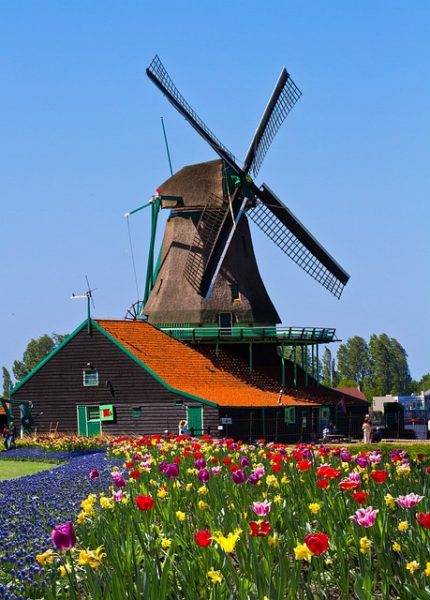
- Exact Spot: Platforms often don’t show the precise location, and a single block can make a big difference. If I’m unsure, I message the host for details. Sometimes, I even use Google Street View to explore the neighborhood.
- Proximity: Is it walking distance to where you want to be? Check for landmarks like beaches, old towns, or public transport hubs.
Features and Amenities
- Decide on must-haves like a washing machine, kitchen, Wi-Fi, or air conditioning.
- Check for nearby shops, parking, or public transport.
- If you need to work, look for a desk and good reviews on internet speed.
Costs and Reviews
- Added Fees: Watch out for high cleaning fees or hidden charges.
- Reviews: Read a mix of top and bottom reviews, and look for consistent themes in guest experiences.
- Photos: I love browsing through the photos, but keep in mind they might be outdated. Don’t hesitate to ask the host for additional images and check the reviews to see if anyone comments on the apartment’s condition.
Tips for Booking
- Message the host, good communication matters.
- For longer stays, ask for a discount.
- Find something unique and full of character, after all, it’s Europe.
Lastly, take a virtual walk through the streets on Google Maps to get a feel for the area. With these steps, you’re set for a memorable stay.
7. Staying in Hostels as a Mature Traveler: Breaking the Age Barrier
Let’s address the elephant in the room, hostels aren’t just for twenty something backpackers anymore. When we first considered staying in hostels during our European adventures in our fifties, we had reservations. Visions of bunk beds crammed with partying teenagers danced through our heads. But here’s the wonderful truth: the hostel scene has completely evolved, and age is genuinely just a number when it comes to budget-friendly European accommodation.
Modern hostels cater to travelers of all ages, with many specifically welcoming mature guests seeking social connections without sacrificing comfort. We’ve met fascinating people in their forties, fifties, and beyond who’ve embraced hostel life to travel longer and meet like minded adventurers. Hostelworld makes finding age appropriate hostels easy, with detailed reviews and filters to match your travel style.
Benefits

- Significant Cost Savings Hostels cost 50-70% less than hotels, stretching your travel budget further. Private rooms in hostels often cost less than budget hotels while offering similar comfort.
- Built-in Social Connections Communal spaces create natural conversation opportunities. We’ve shared travel tips over breakfast, joined impromptu dinner groups, and made genuine friendships with people worldwide.
- Local Knowledge and Resources Hostel staff are typically locals bursting with insider information about their city. They recommend authentic restaurants, share transportation tips, and organize affordable group activities.
- Central Locations Hostels occupy prime city center locations, placing you within walking distance of major attractions while saving money on transportation.
Potential Drawbacks to Consider
- Noise Levels Can Vary Younger guests don’t always respect quiet hours, and thin walls mean late night sounds. Pack quality earplugs and consider private rooms in quieter sections.
- Shared Bathroom Situations Even private rooms often mean shared bathrooms. Morning rush hours can create queues, and cleanliness varies. Check recent Hostelworld reviews for bathroom quality.
- Limited Privacy in Dorms Dormitories mean sharing space with strangers who have different schedules and habits. If privacy matters, invest in private rooms, still budget friendly compared to hotels.
- Stairs Without Elevators Many hostels occupy historic buildings without elevators. Check building accessibility before booking if mobility is a concern.
What do you really want out of your vacation?
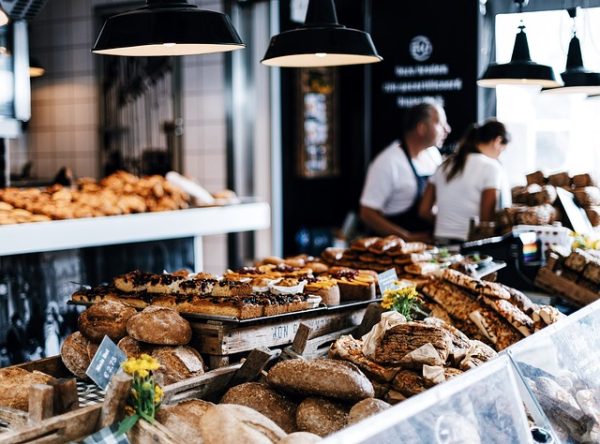
So, what do you really want out of your vacation? Are you the type who likes to keep moving, checking out as many sights as possible? Or do you prefer a slower pace, enjoying a good book in the sun and taking leisurely strolls around new places?
For us, it’s a bit of both. We love starting our trips slowly, taking it easy for the first month and getting into the rhythm of a new place.
Then, we’ll settle into a rental for about six weeks, giving us the chance to really soak it all in.
The last couple of weeks are reserved for revisiting spots we loved or exploring new destinations nearby.
Choosing a central location can really open up the possibilities for day trips or even overnight stays in other towns. Public transport in Europe is generally excellent, but we often rent a car for a few days to reach those off-the-beaten-path spots that aren’t as easy to get to.
We’ve also started incorporating some volunteering into our trips, which adds a meaningful layer to our travel experience. It’s a great way to get involved with the community, especially when you’re trying to live like a local. We’ll often sign up for a local language class perfect for meeting people and we love those simple moments like shopping at the market, getting lost in winding alleyways, or chatting with the bakery owner in the local language.
In the end, it’s about striking a balance between adventure and relaxation, while immersing ourselves in the everyday life of the place. It’s those small, authentic moments that truly make a vacation unforgettable. What about you? What’s your ideal vacation vibe?